
Local Home Updates That Are Changing Neighborhood Living Neighborhoods are never static. They evolve quietly at first, then suddenly appear transformed—one renovated façade, one upgraded garden, one modernized interior at a time. What once felt familiar begins to take on a refreshed identity shaped by collective improvements. Today’s residential changes are not just about individual homes; they are influencing how entire communities look, feel, and function. That is why Local Home Updates have become a powerful force in redefining modern neighborhood living.

A Shift Toward Community Aesthetics
One of the most noticeable trends is the growing emphasis on visual harmony across streets and housing clusters. Homeowners are increasingly investing in exterior upgrades that complement surrounding properties rather than stand apart in isolation.
Fresh paint palettes, coordinated fencing styles, and consistent landscaping approaches are becoming more common. This subtle alignment creates a sense of cohesion that enhances curb appeal for everyone, not just individual properties.
Short sentence. The street feels more unified.
Even small enhancements—like matching mailbox designs or similar garden edging—can elevate the overall impression of a neighborhood.
Outdoor Spaces Becoming Social Extensions
Yards and outdoor areas are no longer viewed purely as private retreats. They are increasingly functioning as semi-social environments where neighbors interact more naturally.
Front porches with seating, shared garden paths, and thoughtfully designed driveways encourage casual conversation and connection. In some communities, homeowners are even collaborating on shared landscaping themes or greenery corridors.
The result is a quieter, more organic form of neighborhood bonding.
Energy-Efficient Improvements Spreading Quickly
Sustainability upgrades are also influencing local housing trends. As one homeowner installs solar panels, improves insulation, or adopts energy-efficient lighting, nearby properties often follow suit.
This ripple effect is not accidental. Lower utility costs and improved comfort create visible motivation for others to explore similar upgrades.
Popular improvements include:
- Solar installations
- Smart thermostats
- Double-glazed windows
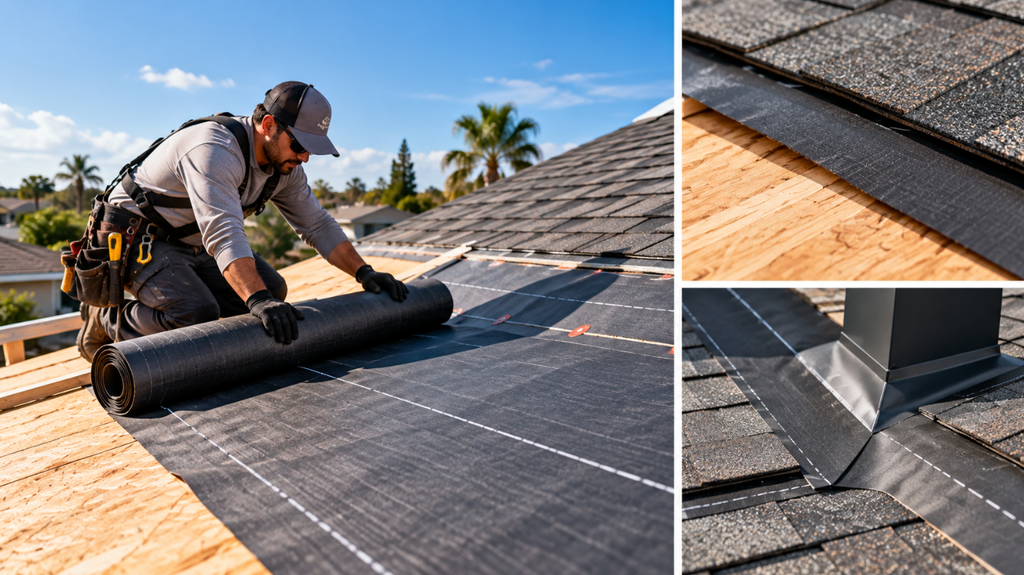
- Insulated roofing solutions
- Water-saving irrigation systems
Over time, these changes can raise the environmental performance of entire blocks.
Modern Exterior Design Influences
Architectural modernization is reshaping the visual identity of neighborhoods. Traditional façades are being refreshed with cleaner lines, minimalist accents, and more durable materials.
Timber cladding, stone veneers, matte finishes, and contemporary lighting are replacing older decorative styles. Garage doors, once purely functional, are now considered design features in their own right.
The shift is subtle but significant. Homes feel more refined, more intentional, more aligned with current living standards.
Smart Technology Integration at Local Level
Smart home features are no longer isolated to high-tech properties. They are gradually becoming standard across many neighborhoods.
Security cameras, automated lighting, smart locks, and app-controlled climate systems are increasingly visible in residential areas. While each system operates independently, the overall effect is a more responsive and connected living environment.
This quiet technological evolution is changing how residents interact with their homes and surroundings.
Renovation Trends That Influence Property Value
Local updates are also having a measurable impact on property values. Renovated kitchens, modern bathrooms, improved outdoor living spaces, and energy-efficient enhancements are driving higher interest from buyers.
As more homes in a neighborhood are upgraded, the baseline expectation for quality rises. This creates a positive cycle where improvements encourage further investment.
Renovation no longer feels individual. It feels communal in effect.
Landscaping as a Defining Feature
Greenery is playing a larger role in shaping neighborhood identity. Manicured lawns, native planting schemes, vertical gardens, and drought-resistant landscaping are becoming defining features of modern residential design.
Even modest improvements—such as trimmed hedges or coordinated flower beds—can significantly elevate the street view.
Nature, when thoughtfully integrated, enhances both beauty and livability.
Final Thoughts
Neighborhoods evolve through a collection of small, intentional decisions made by individual homeowners. When these decisions align over time, the transformation becomes unmistakable. Cleaner exteriors, smarter technology, improved efficiency, and more inviting outdoor spaces all contribute to a renewed sense of place. The impact of Local Home Updates extends far beyond single properties, quietly reshaping how communities look, interact, and thrive together.



More Stories
Renovation News Updates That Homeowners Should Not Miss
Affordable Housing Renaissance: Innovative Solutions Transforming Skylines
Breaking Ground: How Tomorrow’s Housing Trends Are Reshaping Your Wallet