
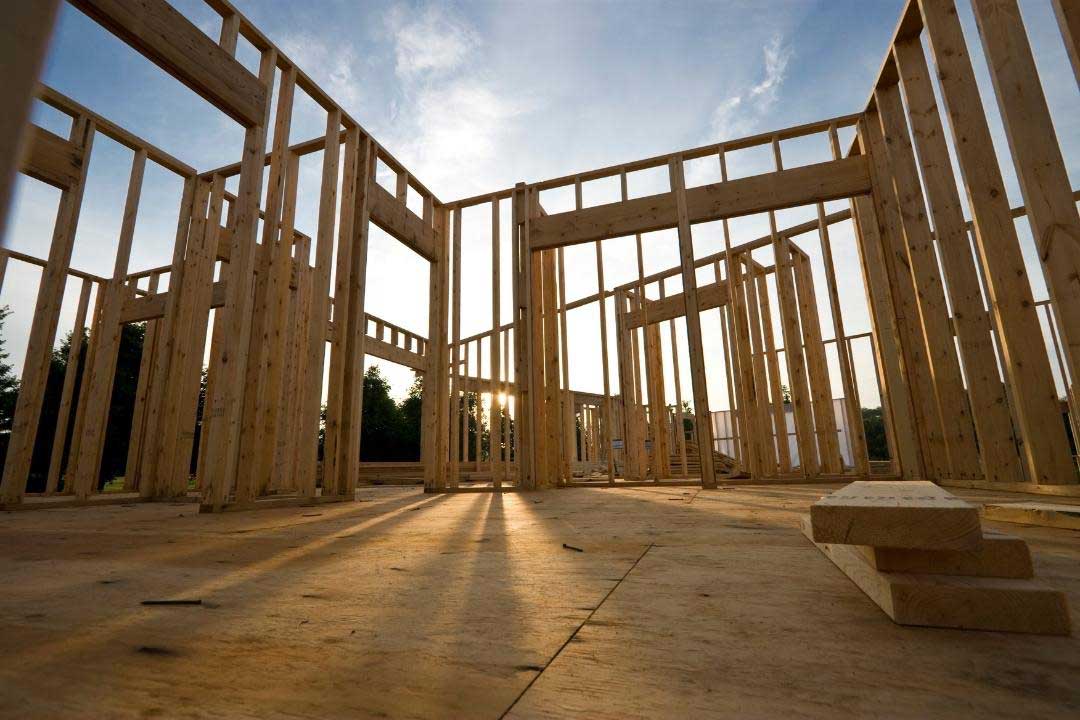
Managing cash flow is one of the biggest challenges in the construction industry. Projects often require large upfront expenses for materials, labor, permits, and equipment, while client payments may arrive weeks or even months later. To bridge this gap, many contractors and developers rely on a construction line of credit. This flexible financing option helps construction businesses stay operational, take on more projects, and manage unexpected costs.
In this guide, we will explain what a construction line of credit is, how it works, and who qualifies for it.
What Is a Construction Line of Credit?
A construction line of credit is a revolving financing facility designed specifically for construction-related expenses. Unlike a traditional loan that provides a lump sum upfront, a line of credit allows you to borrow funds only when needed, up to an approved limit.
You can draw funds multiple times, repay them, and borrow again during the credit term. Interest is charged only on the amount you use, not on the total approved limit.
This makes a construction line of credit ideal for covering short-term costs such as payroll, materials, subcontractor payments, and project overruns.
How a Construction Line of Credit Works
Once approved, the lender sets a maximum borrowing limit based on your financial profile and business strength. Here’s how it typically works:
- Approval and Credit Limit
The lender evaluates your business and assigns a credit limit, for example $100,000 or $500,000. - Accessing Funds
You can draw funds as needed via bank transfer, check, or online account access. - Interest Charges
Interest accrues only on the amount you withdraw, not the full credit limit. - Repayment
Most construction lines of credit require monthly interest payments. Principal repayment may be flexible or required within a set period. - Revolving Use
As you repay borrowed funds, your available credit replenishes, allowing you to reuse it for future expenses.
This structure provides ongoing financial flexibility throughout the construction cycle.
Types of Construction Lines of Credit
There are two main types available to construction businesses:
Secured Construction Line of Credit
This type requires collateral such as real estate, equipment, or accounts receivable. Secured lines usually offer higher limits and lower interest rates.
Unsecured Construction Line of Credit
No collateral is required, but credit limits are generally lower and interest rates higher. Approval depends heavily on credit history and business performance.
Common Uses of a Construction Line of Credit
Construction businesses use lines of credit for various operational needs, including:
- Purchasing materials in bulk
- Paying workers and subcontractors
- Covering permit and inspection fees
- Managing seasonal slowdowns
- Handling unexpected project delays
- Bridging gaps between invoices and payments
Because construction expenses fluctuate, this financing option provides stability during uneven cash flow periods.
Who Qualifies for a Construction Line of Credit?
Lenders assess several factors before approving a construction line of credit. While requirements vary, most lenders look at the following:
Business Experience
Established contractors with a proven track record have a higher chance of approval. Startups may qualify but often face stricter requirements.
Credit Score
A strong personal and business credit score improves approval chances and helps secure better interest rates. Poor credit may still qualify with collateral or higher rates.
Revenue and Cash Flow
Lenders review annual revenue, profit margins, and cash flow consistency to ensure your business can repay borrowed funds.
Time in Business
Many lenders prefer businesses that have operated for at least 1–2 years. Newer businesses may need additional documentation.
Collateral (If Applicable)
For secured lines, lenders assess the value and liquidity of pledged assets.
Financial Documentation
Commonly required documents include:
- Bank statements
- Tax returns
- Profit and loss statements
- Balance sheets
- Project contracts or invoices
Construction Line of Credit vs Construction Loan
Although often confused, these two financing options serve different purposes.
A construction loan is usually project-specific and disbursed in stages based on construction milestones. It is best suited for large, long-term builds.A construction line of credit, on the other hand, is ongoing and flexible, designed for day-to-day operational expenses across multiple projects.


More Stories
Stunning Kitchen Remodel Ideas That Will Blow Your Mind
Transform Your Space: Creative & Budget-Friendly Home Remodeling Ideas
Transform Your Space: Creative Home Upgrades That Dazzle!