
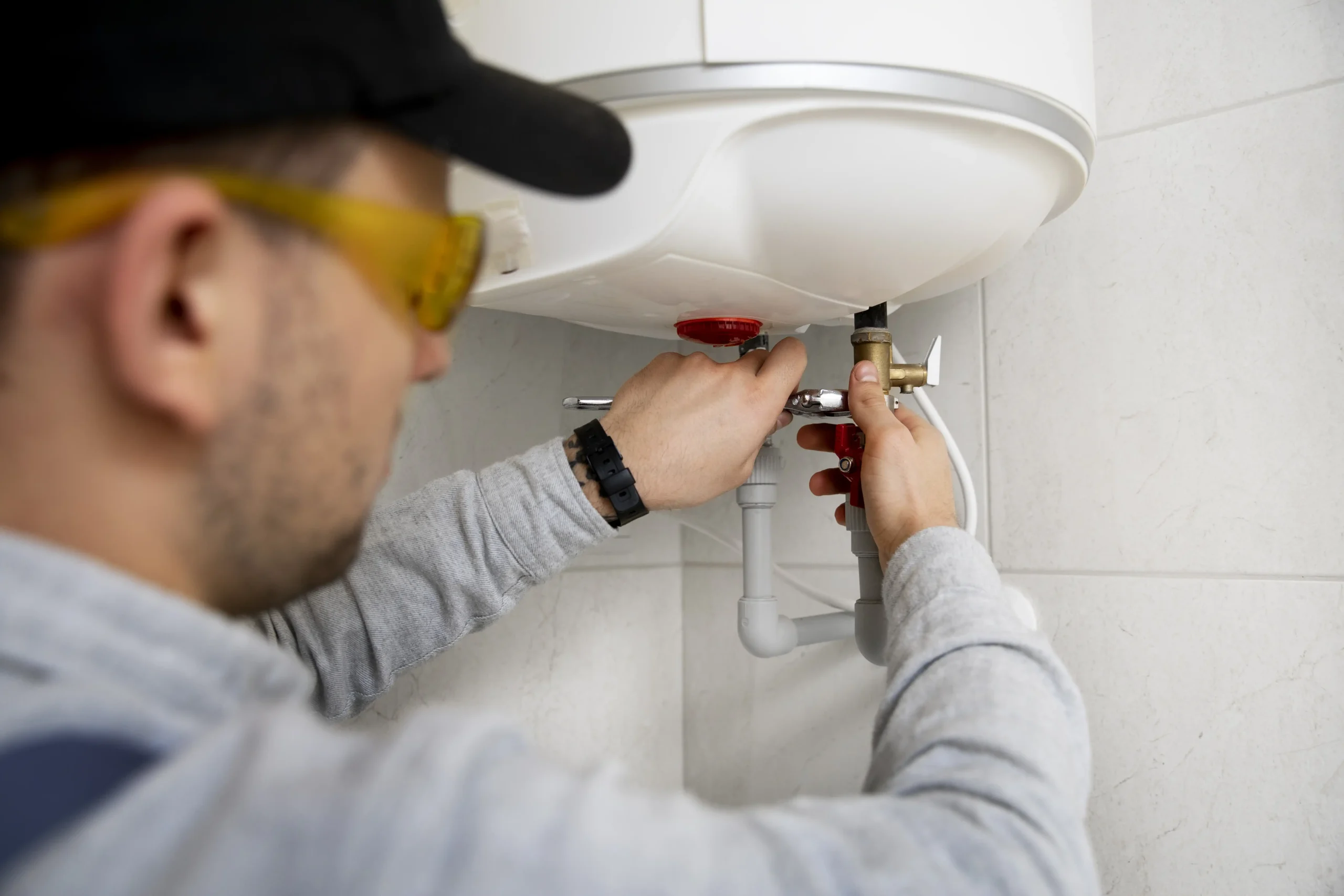
The infrastructure of a commercial building is its circulatory system. From the high-pressure water demands of a modern fitness center to the complex grease-interceptor requirements of a busy downtown restaurant, the plumbing systems that sustain these facilities are under constant, significant stress. When a failure occurs, the result is rarely just an inconvenience—it is an interruption to revenue, a risk to public health, and a significant operational headache.
Finding reliable commercial plumbing services requires looking past the surface-level advertisements and understanding how a provider’s technical capabilities, response time, and preventive strategies align with the specific needs of your business. Whether you are managing a high-rise office complex, a sprawling industrial park, or a neighborhood retail hub, the quality of your plumbing partnership is one of the most critical factors in maintaining long-term property value.
Understanding the Difference Between Residential and Commercial Plumbing
It is a common error to assume that a plumbing provider who excels at residential service is equally equipped for commercial sites. While the core principles of fluid dynamics and pipe mechanics remain the same, the scale and complexity of commercial systems introduce a different set of challenges.
Commercial buildings often utilize large-diameter piping, sophisticated pressure-regulating valves, and extensive backflow prevention systems that must comply with strict municipal codes. Furthermore, the sheer volume of usage in a commercial environment—where toilets, sinks, and drains may be used hundreds of times daily—means that equipment wear-and-tear occurs at an accelerated pace.
When searching for plumbers near me to assist with commercial-grade systems, prioritize contractors who maintain specialized certifications. You need a team that understands the nuances of commercial venting, the requirements for ADA-compliant fixtures, and the complexities of fire suppression water lines. A commercial plumbing specialist is trained to look for systemic failures rather than just patching the immediate symptom.
Prioritizing Preventive Maintenance Over Emergency Repairs
The most expensive plumbing work is almost always the kind that is performed at 2:00 AM on a weekend. By the time an issue results in a catastrophic leak or a complete drain backup, you are paying not just for repairs, but for emergency premiums, potential water damage restoration, and the loss of business hours.
A proactive facility management strategy involves scheduled inspections that identify structural degradation before it becomes a crisis. For instance, high-frequency water use in medical offices or food service establishments can cause mineral scale to build up inside pipes, narrowing the interior diameter and leading to frequent, stubborn clogs. A professional service provider will utilize camera inspections to visualize the health of your hidden lines, identifying potential points of failure such as root intrusions, pipe settling, or corrosive buildup.
By integrating consistent maintenance, you can smooth out your capital expenditure budget. Rather than facing surprise five-figure repair invoices, you transition to a model of predictable maintenance costs that keep your operations running at peak efficiency.
Key Considerations for High-Volume Facilities
Certain industries face more rigorous plumbing challenges than others. For example, commercial kitchens must strictly adhere to regulations concerning grease traps and interceptors. If these systems are not cleaned and maintained according to local ordinances, you risk hefty fines, foul odors, and severe damage to the city’s sewer infrastructure.
Similarly, commercial laundry facilities and fitness centers generate massive amounts of sediment and hair, which can overwhelm standard drainage systems. When evaluating commercial plumbing services, ask specifically about their experience with these high-volume sectors. A capable provider will have the specialized equipment necessary to handle these situations, such as hydro-jetting units that use high-pressure water to blast through heavy grease deposits and debris that traditional augers cannot clear.
Additionally, consider the age of your facility. In older, historic buildings—common in many of the region’s urban cores—you may be dealing with aging cast-iron or galvanized steel pipes that have reached the end of their service life. A knowledgeable plumbing partner will help you prioritize a replacement strategy, replacing problematic sections strategically so that you are not forced into a full-scale repiping project when a pipe inevitably bursts.
The Role of Technology in Modern Plumbing
The days of relying solely on a wrench and a drain snake are long gone. Today’s sophisticated plumbing contractors utilize advanced technology that saves time and money by increasing diagnostic accuracy.
Ultrasonic leak detection allows technicians to pinpoint the source of a hidden water loss behind a wall or beneath a concrete slab without needing to resort to invasive, destructive demolition. Similarly, digital pipe mapping provides an accurate blueprint of your underground sewer lines, which is essential if you are planning an expansion or renovating your workspace.
When you are reviewing options for plumbers near me, ask whether they utilize these diagnostic tools. A contractor who arrives with a full suite of imaging technology is generally more efficient and more likely to provide a permanent solution rather than a temporary fix.
Evaluating Responsiveness and Service Level Agreements
In a commercial environment, a plumbing failure is a business interruption. When interviewing prospective service partners, it is important to discuss their availability and their capacity for emergency response. A firm that lacks a sufficient workforce to handle your account may leave you waiting days for a simple valve replacement, which is unacceptable in a customer-facing or professional environment.
Ask about their service level agreements (SLAs). Do they offer priority scheduling for contracted maintenance clients? Do they maintain a sufficient inventory of common commercial parts so that they don’t have to wait for shipping on standard repairs? A responsive partner understands that their speed directly impacts your ability to serve your own clients.
Furthermore, prioritize providers who offer comprehensive documentation. After a maintenance visit or a repair, you should receive a detailed report including photos or video footage of the work performed. This documentation is invaluable for insurance purposes and for tracking the historical performance of your plumbing systems.
Building a Relationship for the Long Term
Ultimately, the best plumbing outcomes result from a long-term partnership. When you work with a service provider who knows your building—who knows where the main shutoff valves are hidden, which sections of the piping are historically problematic, and how your system behaves under peak demand—the quality of service improves significantly.
Don’t wait for a flood in the lobby or a pipe burst in the warehouse to find out who you can trust. Start by vetting local, licensed experts who demonstrate an understanding of commercial requirements. Invest in a structured maintenance program, and treat your plumbing infrastructure with the same respect you give your other critical business assets. By taking these steps, you safeguard your facility against the unexpected and ensure that your business stays dry, functional, and efficient, regardless of what the day brings.


More Stories
Beginner Friendly Home Improvement Tips That Make Any Home Look Pro Level
Missing Shingles: Can You Wait to Fix Them?
Space Saving Small Kitchen Improvement Ideas That Actually Work